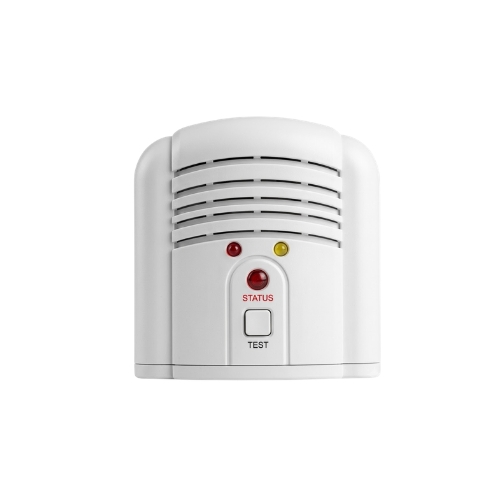
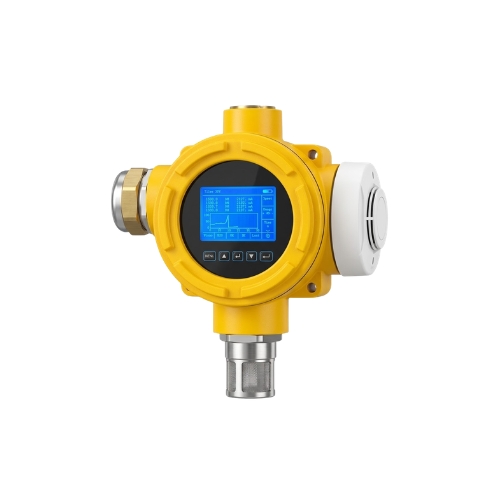
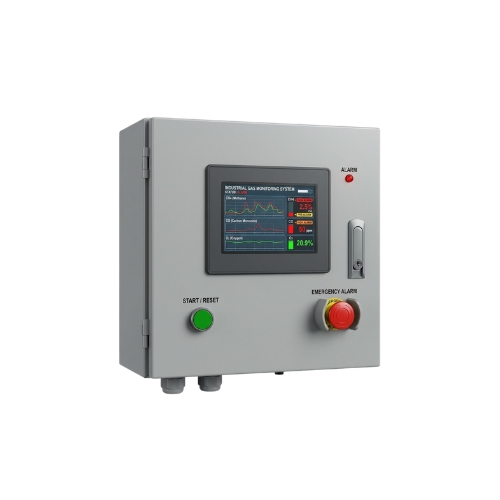
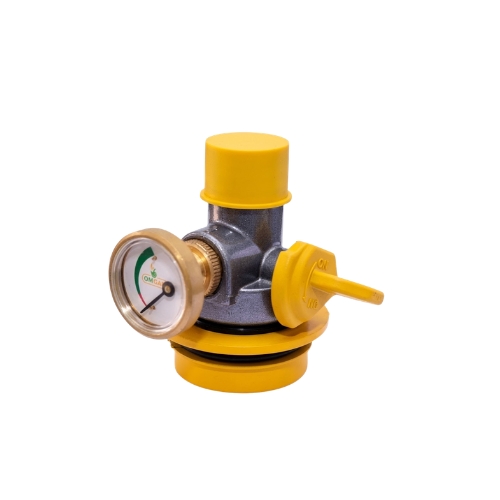
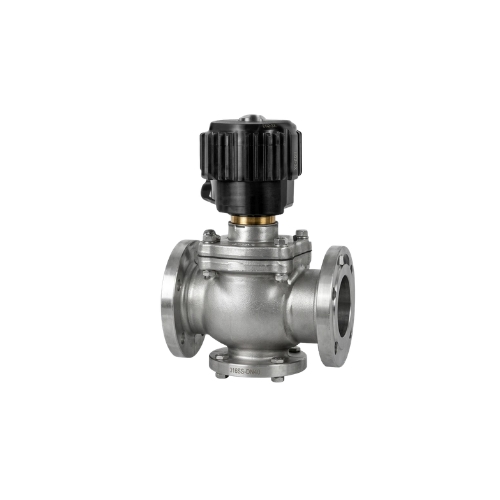
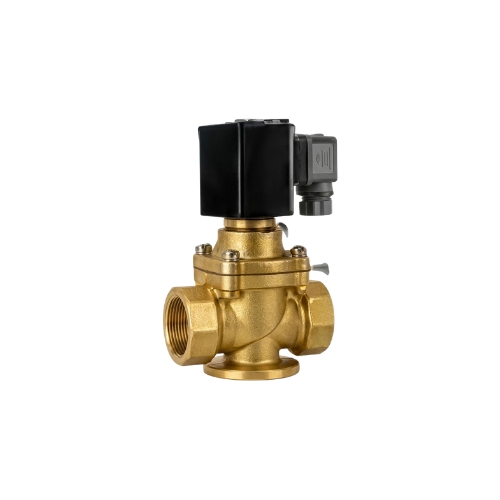
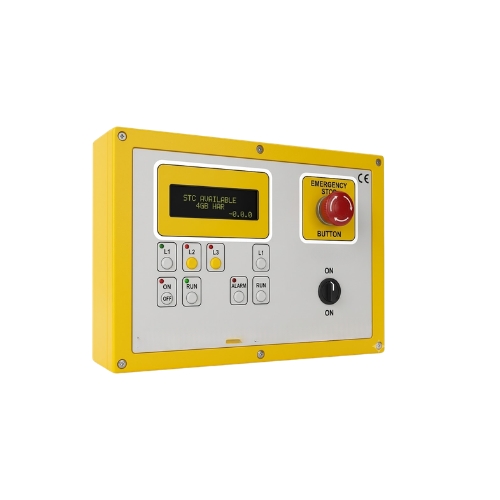
Gas Safety & Leak Detection Systems help identify combustible gas leaks, provide early warning, and support rapid isolation of gas supply during hazardous conditions. A complete safety arrangement can combine gas leak detection systems, combustible gas sensors, detection control panels, automatic shut-off systems, slam-shut valves, solenoid shut-off valves, and emergency gas isolation systems. These solutions are used in industrial plants, gas pipeline installations, manufacturing facilities, process industries, commercial premises, and other locations where uncontrolled gas leakage can create serious operational and safety risks.
What Are Gas Safety & Leak Detection Systems?
Gas safety and leak detection systems are designed to detect the presence of hazardous or combustible gases and initiate appropriate warning, control, or isolation actions according to the system design.
A typical installation may include sensors positioned at selected locations, a gas detection control panel for receiving and processing sensor signals, alarms for notification, and automatic shut-off or isolation equipment for controlling the gas supply.
The objective is not simply to detect a leak. A properly planned system connects detection, monitoring, alarm, automatic shut-off and emergency isolation so that the response can match the risk and operating requirements of the facility.
The exact arrangement depends on the type of gas, potential leak locations, ventilation, equipment layout, operating conditions, and applicable safety requirements.
How Does a Gas Leak Detection and Shut-Off System Work?
A gas safety system generally operates through multiple stages.
Gas detection: Sensors continuously monitor selected areas for the presence of combustible or hazardous gas concentrations. Sensor selection and placement depend on the gas properties and the potential leak source.
Signal processing: When a sensor detects gas above its configured threshold, the signal is transmitted to the gas detection control panel. The panel processes the input and can initiate alarms or other programmed actions.
Warning and notification: Depending on the installation, visual or audible alarms can alert personnel that a gas-related safety condition has been detected.
Automatic isolation: Where automatic shut-off is part of the system design, a suitable valve can close the gas supply when a defined alarm or emergency condition occurs.
Emergency gas isolation: Isolation equipment can help separate the affected section from the wider gas system, allowing the supply to be controlled during an emergency, inspection, or maintenance activity.
This coordinated approach helps reduce reliance on manual intervention during an emergency and provides a structured response to gas leakage events.
Gas Safety and Leak Detection Equipment We Provide
The required equipment depends on the gas application, risk assessment, pipeline arrangement and required response.
Gas Leak Detection Systems
Gas leak detection systems monitor designated areas for the presence of gas and provide an early indication when gas concentration reaches a configured level. They can be designed for industrial, commercial and specialized gas installations according to the application.
Sensor location is particularly important. Detection points should be selected based on factors such as gas density, likely leak sources, ventilation and equipment layout rather than simply placing sensors at convenient locations.
Combustible Gas Sensors
Combustible gas sensors detect the presence of gases that can create a fire or explosion hazard when they reach suitable concentrations in air.
The appropriate sensor technology depends on the gas being monitored, operating environment and required detection range. Correct selection and installation are essential for reliable detection.
Gas Detection Control Panels
A gas detection control panel receives signals from connected sensors and provides centralized monitoring of the detection system. Depending on the configuration, it can activate alarms and provide signals to other safety or control equipment.
The panel therefore acts as an important link between gas detection and the facility's emergency response system.
Automatic Gas Shut-Off Systems
Automatic shut-off arrangements are designed to stop gas flow when a predefined emergency condition occurs. They can be integrated with detection systems so that gas supply can be isolated without waiting for manual valve operation.
The shut-off logic should be designed according to the application's safety requirements and the consequences of an unintended shutdown.
Slam-Shut Valves
Slam-shut valves are used in gas systems to rapidly stop gas flow when specified abnormal conditions occur. They can be incorporated into pressure-control and safety arrangements where rapid isolation is required.
Selection should consider pressure, flow, valve size, gas compatibility and the required trip conditions.
Solenoid Shut-Off Valves
Solenoid shut-off valves provide electrically operated gas isolation. They can receive a signal from a detection panel or another control system and move to the required safe position when the configured condition occurs.
These valves can be useful where automatic control and remote or centralized emergency isolation are required.
Emergency Gas Isolation Systems
Emergency gas isolation systems provide a means of separating gas supply sections during hazardous conditions, maintenance or emergency response. They can incorporate suitable valves, control signals and isolation points according to the overall pipeline and facility design.
Where Are Gas Leak Detection Systems Used?
Gas detection and emergency isolation solutions are relevant wherever gas is stored, distributed, processed or consumed.
Industrial and Manufacturing Facilities
Manufacturing plants may use natural gas, LPG or other combustible gases for heating, furnaces, boilers, process equipment and production operations. Detection and automatic isolation can provide an additional safety layer around gas-consuming equipment.
Oil and Gas Facilities
Oil and gas operations can involve gas handling, processing, storage and distribution. Gas detection and emergency isolation arrangements can be incorporated into facility safety systems according to the specific hazards and operating conditions.
Chemical and Process Industries
Chemical and process facilities may have multiple gas-handling areas and enclosed or semi-enclosed spaces. Detection equipment can help monitor selected areas and provide warning when gas concentrations reach configured thresholds.
Commercial Gas Installations
Commercial kitchens, heating systems, utility areas and other gas-consuming facilities may require gas detection and shut-off arrangements depending on the installation and applicable requirements.
Gas Pipeline and Distribution Systems
Gas distribution and pipeline installations can use monitoring, isolation and emergency shut-off arrangements to manage abnormal conditions and support safer operation of gas infrastructure.
What Problems Can Gas Detection and Emergency Shut-Off Systems Address?
Gas leakage can be difficult to identify through routine observation, particularly when the leak occurs in an enclosed, remote or poorly ventilated area. A dedicated detection system provides continuous monitoring of selected locations and can identify gas presence before the condition becomes more severe.
These systems can help address concerns related to undetected gas leakage, combustible gas accumulation, delayed emergency response, manual shut-off dependency and inadequate isolation.
Detection alone, however, does not eliminate the underlying risk. Reliable protection depends on appropriate sensor positioning, suitable equipment selection, correct alarm settings, proper valve operation, regular inspection and a response procedure suitable for the facility.
Key Benefits of Gas Safety and Leak Detection Solutions
A properly engineered system can provide several practical safety and operational benefits.
Early gas leak detection can provide warning when gas concentration reaches the configured detection threshold.
Faster emergency response can be supported through alarms and automated control signals.
Automatic gas isolation can reduce dependence on manual intervention when automatic shut-off is part of the approved system design.
Centralized monitoring allows connected sensors and safety devices to be monitored through an appropriate control panel.
Protection of personnel and equipment can be improved by identifying hazardous gas conditions and controlling the gas supply according to the system design.
Better emergency preparedness can be achieved when detection, alarm, isolation and response procedures are designed as one coordinated safety arrangement.
How to Select the Right Gas Detection and Shut-Off System?
Choosing the right equipment requires consideration of the complete application. Important factors include:
- Type of gas being monitored
- Gas density and characteristics
- Potential leak sources
- Indoor or outdoor installation
- Ventilation conditions
- Required detection range
- Sensor technology
- Number and location of detection points
- Alarm and shutdown requirements
- Valve size and pressure rating
- Pipeline configuration
- Required isolation points
- Environmental conditions
- Applicable codes, standards and project specifications
Sensor placement is especially important because different gases behave differently after release. The detection arrangement should therefore be developed around the actual facility layout and gas characteristics.
For automatic shut-off systems, the shutdown sequence should also be evaluated carefully so that detection, alarm, valve operation and emergency response work together as intended.
Why Use a Complete Gas Safety Solution?
Buying sensors or valves individually does not necessarily create an effective gas safety system. Detection equipment needs to communicate correctly with the control panel, alarms and shutdown equipment, while valves need to be suitable for the gas, pressure and pipeline arrangement.
A complete solution considers the detection point, control panel, alarm response, automatic shut-off, emergency isolation and operating procedure together.
This approach can be particularly useful for new gas installations, industrial safety upgrades, pipeline modifications, replacement projects and facilities where existing gas protection arrangements need improvement.