Gas Equipment & Accessories are essential for controlling gas supply, supporting efficient combustion, regulating pressure, measuring flow, and maintaining reliable operation of industrial gas systems. Depending on the application, a complete gas arrangement may include gas burners, gas torches, gas trains, pressure regulation assemblies, and metering and control assemblies. These solutions are used across manufacturing plants, process industries, industrial heating systems, commercial gas installations, and other applications where controlled gas supply and dependable combustion are required.
What Are Gas Equipment & Accessories?
Gas equipment and accessories include the components used to deliver, regulate, control, measure and utilize gas safely and efficiently within a gas-fired system.
A gas installation may have different requirements depending on whether the gas is being supplied to a furnace, boiler, heating system, process equipment, burner line or other industrial application. Components therefore need to be selected according to gas type, operating pressure, required flow, combustion requirement, equipment capacity and installation conditions.
Rather than treating burners, valves, regulators and meters as separate products, a properly designed system considers how each component works with the others. This helps create a controlled gas supply from the incoming pipeline through pressure regulation and metering to the final combustion equipment.
How Do Industrial Gas Equipment Systems Work?
The operation generally starts with the incoming gas supply. Gas needs to reach the connected equipment at a suitable pressure and flow rate. Pressure regulation assemblies help control the supply pressure according to the downstream requirement, while metering and control assemblies can monitor and manage gas flow.
The regulated gas then moves toward the combustion equipment through an appropriate gas train or control arrangement. A gas train can integrate different gas-control and safety components required for managing the gas supply before it reaches a burner.
At the combustion point, gas burners or gas torches convert the controlled gas supply into the required flame or heat output. The actual configuration depends on the process, fuel characteristics, required temperature, combustion capacity and operating conditions.
This coordinated arrangement allows gas supply, pressure, flow and combustion to be managed as part of one system rather than through isolated components.
Gas Burners for Controlled Industrial Combustion
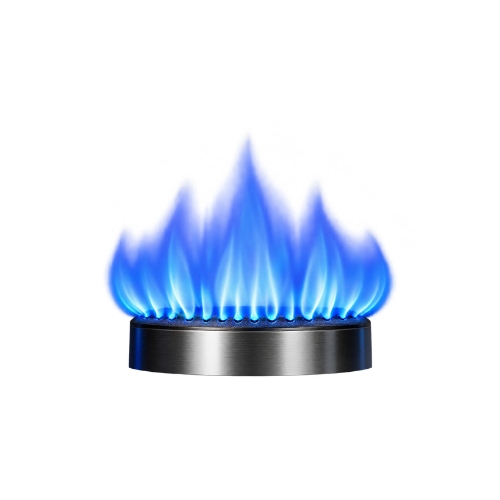
Gas burners are designed to mix gas with the required amount of air and produce controlled combustion for heating or process applications. They can be used in furnaces, ovens, boilers, heating systems and other industrial equipment.
The correct burner selection depends on factors such as gas type, required heat output, operating pressure, combustion air arrangement, flame characteristics and process temperature.
For industrial users, the objective is not simply to produce a flame but to achieve the required heat output and combustion characteristics while maintaining stable operation.
Gas Torches for Heating and Process Applications
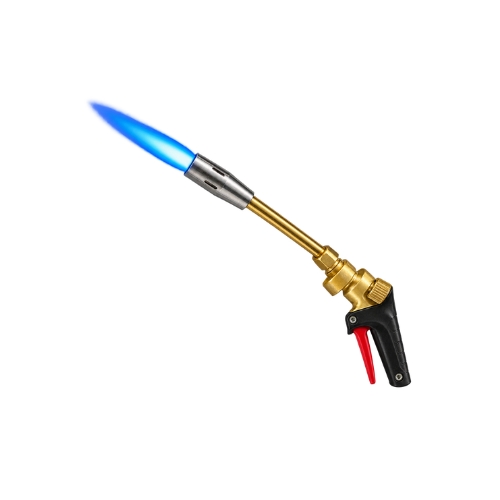
Gas torches are used where a concentrated or directed flame is required for heating, processing or other specific applications. Their configuration and operating requirements depend on the gas being used, required flame characteristics and application conditions.
Choosing an appropriate torch requires consideration of gas pressure, flow requirement, flame pattern, operating environment and the intended heating process.
For specialized applications, the torch should be matched with the gas supply and control arrangement to ensure that the equipment receives the required operating conditions.
Gas Trains for Gas Supply and Safety Control
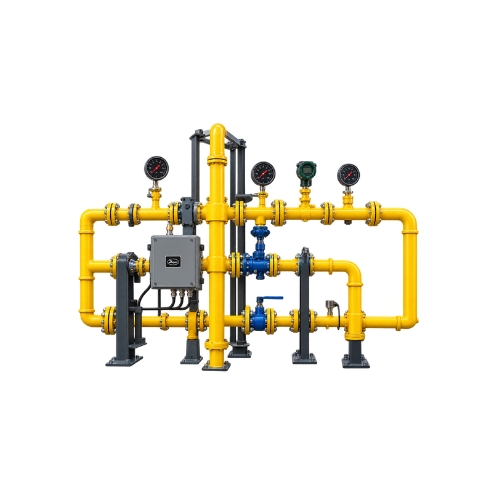
A gas train is an arrangement of gas-control components installed between the gas supply and combustion equipment. It can provide functions such as pressure control, filtration, isolation, monitoring and safety shut-off depending on the system design.
A properly configured gas train helps ensure that gas reaches the burner under suitable operating conditions. It may incorporate regulators, valves, pressure monitoring instruments, filters and other components required by the application.
Gas train configuration should be based on the burner capacity, gas type, operating pressure, required flow and applicable safety requirements rather than using a standard arrangement for every installation.
Pressure Regulation Assemblies for Stable Gas Supply
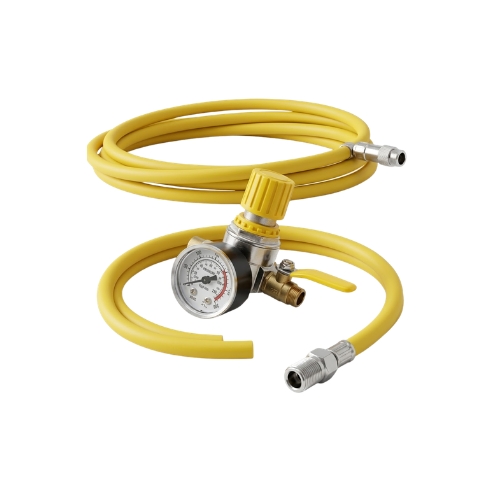
Gas pressure regulation assemblies help reduce or maintain gas pressure to the required downstream level. Stable pressure is important because variations in supply pressure can affect combustion equipment, flame stability and overall process performance.
A pressure regulation arrangement may include regulators, gauges, valves, filters and associated fittings depending on the application. The correct configuration should consider inlet pressure, outlet pressure, flow range, gas type and pressure-drop requirements.
For industrial gas systems, proper pressure control can also help protect downstream equipment from unsuitable operating conditions.
Metering & Control Assemblies for Gas Monitoring
Metering and control assemblies are used to measure and manage gas flow within a system. They can help monitor consumption, control supply and provide useful operating information.
The appropriate metering arrangement depends on factors such as gas type, expected flow range, operating pressure, pipe size, temperature and required measurement accuracy.
For facilities where gas consumption and process control are important, suitable metering can provide better visibility of how gas is being used and can support operational monitoring.
Where Are Gas Equipment and Accessories Used?
Gas equipment is used across a wide range of industrial and commercial applications.
Industrial Heating Systems
Furnaces, ovens, boilers and other heating equipment require controlled gas supply and combustion. Burners, gas trains and pressure-control equipment can be configured according to the required heat output and operating conditions.
Manufacturing and Process Industries
Manufacturing facilities may use gas for process heating, thermal treatment, drying, melting and other production requirements. Reliable gas flow and pressure control can help maintain consistent operating conditions.
Food Processing Applications
Gas-fired heating equipment can be used in different food-processing operations where controlled thermal energy is required. The gas supply and combustion arrangement should be selected according to the equipment and process requirements.
Chemical and Industrial Processing
Chemical and process industries can require controlled fuel-gas systems for heating and other thermal applications. Gas regulation, metering and combustion equipment can form part of the overall process infrastructure.
Commercial Gas Installations
Commercial facilities may use gas-fired equipment for heating, cooking, hot water and other applications. The equipment configuration should be based on the required gas flow, pressure and safety conditions.
What Problems Can Gas Equipment Help Solve?
Industrial gas systems can experience issues such as unstable pressure, inconsistent gas flow, poor combustion, inadequate monitoring and unsuitable gas supply conditions. A properly designed equipment arrangement can address these requirements by combining pressure regulation, flow control, metering and combustion equipment.
For example, pressure regulation can help manage fluctuating supply pressure, while appropriate burners can provide more controlled combustion for the intended application. Gas trains can bring important control and safety functions together, while metering assemblies provide greater visibility of gas consumption and flow.
The equipment alone, however, cannot compensate for an incorrectly designed system. Correct sizing, installation, commissioning and maintenance are equally important for reliable operation.
Key Benefits of a Properly Designed Gas System
A coordinated gas equipment arrangement can provide several practical benefits.
Controlled gas supply helps deliver gas to connected equipment at suitable operating conditions.
Stable combustion can support consistent heating performance when the burner, gas pressure and combustion air are correctly matched.
Better gas monitoring allows users to understand flow and consumption more effectively.
Improved equipment protection can be supported through suitable pressure regulation, filtration and isolation components.
Reliable industrial operation can be achieved when the gas supply, control and combustion equipment are properly matched to the process.
Easier system management is possible when metering, pressure monitoring and control components are integrated into an appropriate arrangement.
How to Select the Right Gas Equipment and Accessories?
Before selecting equipment, evaluate the complete application rather than choosing components only by pipe size. Important factors include:
- Type of gas or fuel
- Required gas flow
- Inlet and outlet pressure
- Burner or equipment capacity
- Required heat output
- Operating temperature
- Pipeline size and connections
- Combustion air requirements
- Required measurement accuracy
- Pressure regulation requirements
- Safety and isolation requirements
- Installation environment
- Applicable codes, standards and project specifications
For a complete gas train or control assembly, all components should be compatible with one another and with the connected combustion equipment.
Why Choose a Complete Gas Equipment Solution?
Selecting burners, regulators, valves, meters and accessories individually can make system integration more difficult. A complete approach considers the gas supply, pressure regulation, metering, control, safety and combustion requirements together.
This is especially useful for new industrial installations, equipment upgrades, replacement projects, gas-system modifications and process-heating applications. Technical information such as gas type, flow requirement, inlet pressure, required outlet pressure, burner capacity and application details can help determine the appropriate equipment configuration.