Gas Metering, Regulation & Control Equipment is used to measure gas flow, regulate pressure, monitor operating conditions, and control gas movement safely through pipelines and industrial systems. A complete arrangement may include gas flow meters, pressure regulators, pressure gauges, filters, strainers, valves, safety devices, flanges, fittings, and other accessories. These solutions are suitable for gas distribution systems, manufacturing plants, process industries, commercial facilities, and industrial fuel-gas applications where accurate measurement, stable pressure, and controlled gas supply are important.
What Is Gas Metering, Regulation & Control Equipment?
Gas metering, regulation and control equipment consists of interconnected instruments and pipeline components that help manage the flow, pressure, measurement and safety of gas systems. Instead of treating every component as an independent product, these devices are generally selected according to the complete gas application, operating conditions, pipeline configuration and required safety controls.
A typical gas control arrangement can combine filtration, pressure regulation, flow measurement, pressure monitoring, isolation and safety protection. The exact configuration depends on factors such as gas type, flow rate, inlet pressure, outlet pressure, operating temperature, pipeline size and application requirements.
For industrial and gas distribution applications, properly selected equipment can help maintain controlled operating conditions while providing operators with better visibility and control of the gas system.
How Does a Gas Metering and Pressure Control System Work?
A gas system normally performs several functions before gas reaches downstream equipment. First, filters and strainers help remove unwanted particles from the gas stream. This can help protect sensitive components such as regulators, meters and valves.
The gas then passes through pressure regulation equipment, where the pressure can be reduced or controlled to the required downstream operating level. Pressure gauges can be installed at suitable points to provide local pressure indication and help operators monitor system conditions.
Gas flow measurement equipment measures the quantity or rate of gas passing through the pipeline. The appropriate metering technology depends on the required flow range, pressure, temperature, pipe size, gas characteristics and measurement requirements.
Finally, valves and safety devices provide isolation, flow control and protection according to the system design. This coordinated approach allows measurement, regulation, monitoring and safety functions to work together as part of one gas control arrangement.
Gas Flow, Pressure and Pipeline Control Equipment
The equipment required for a gas system varies from project to project. Common components include:
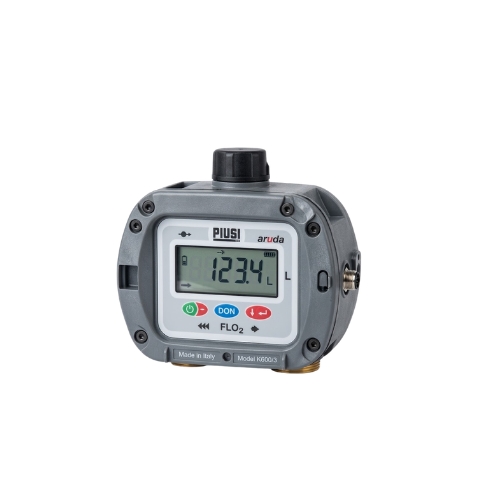
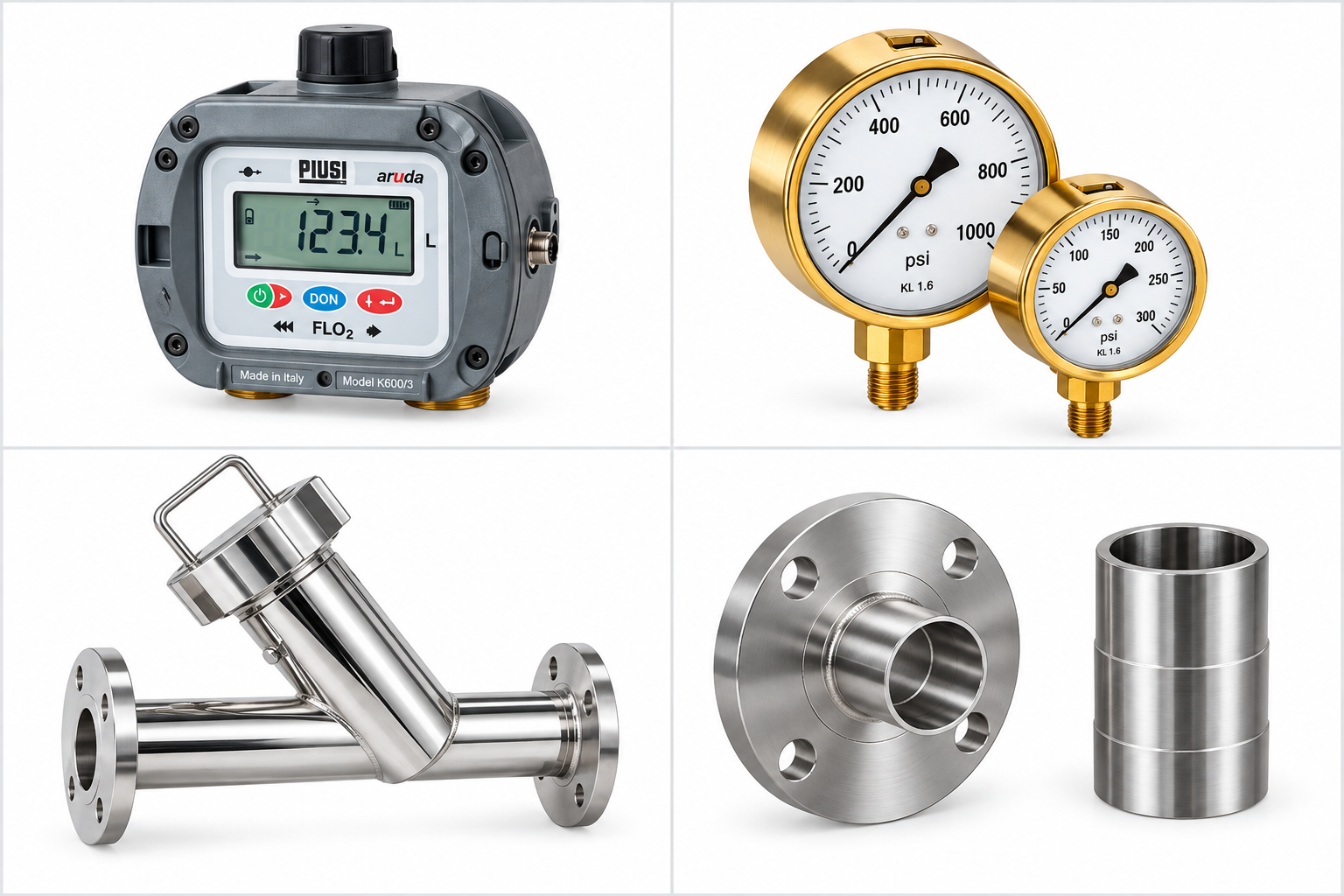
Gas Flow Meters
Gas flow meters are used to measure the movement or consumption of gas through a pipeline. They can support process monitoring, gas consumption tracking, operational control and other measurement requirements. Meter selection should consider flow range, operating pressure, temperature, gas properties and required accuracy.
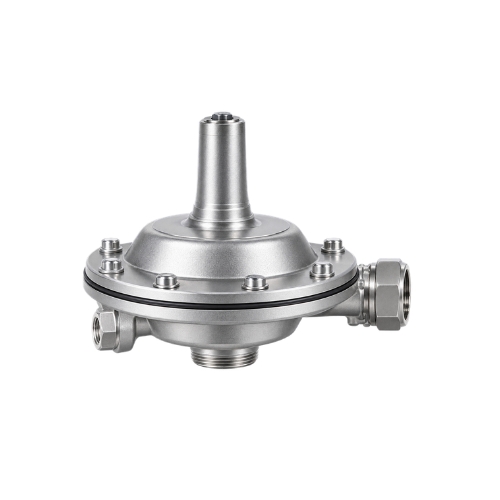
Gas Pressure Regulators
Pressure regulators help control downstream gas pressure when the incoming supply is at a higher or variable pressure. Proper pressure regulation is important for supplying connected equipment within its required operating range and maintaining stable system conditions.
Pressure Gauges
Pressure gauges provide local indication of gas pressure at selected points in the system. They can help operators monitor inlet and outlet conditions, identify abnormal pressure changes and support routine inspection and maintenance.
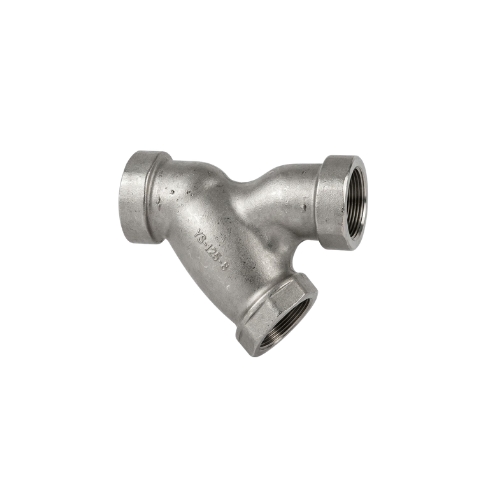
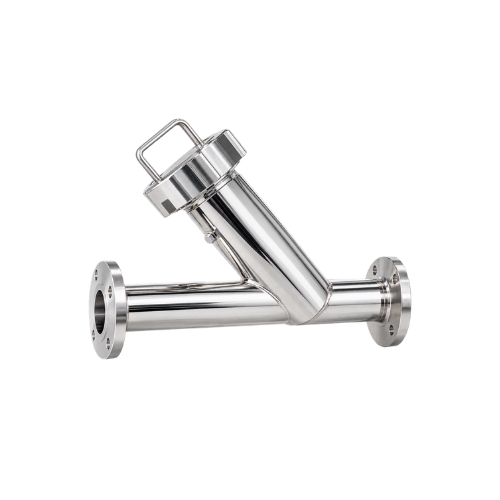
Gas Filters and Strainers
Gas filters and strainers help remove particles and contaminants from the gas stream before the gas reaches downstream equipment. Their use can help protect regulators, meters, valves and other components and support reliable operation.
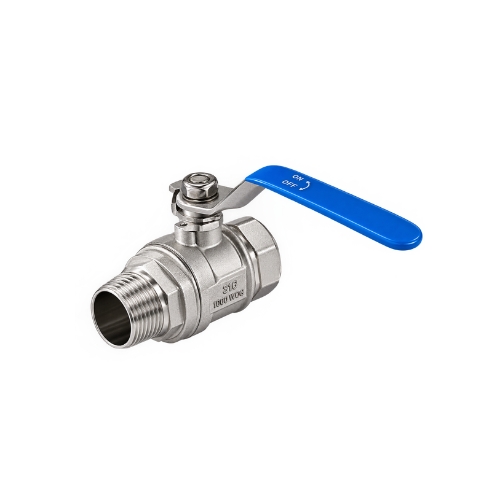
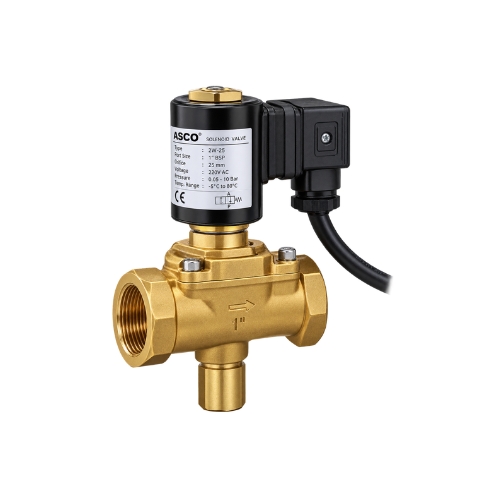
Ball Valves, Solenoid Valves and Isolation Valves
Different valve types perform different functions within a gas system. Ball valves can provide manual isolation, solenoid valves can provide electrically operated control or shut-off, while isolation valves can separate sections of a pipeline during maintenance or specific operating conditions.
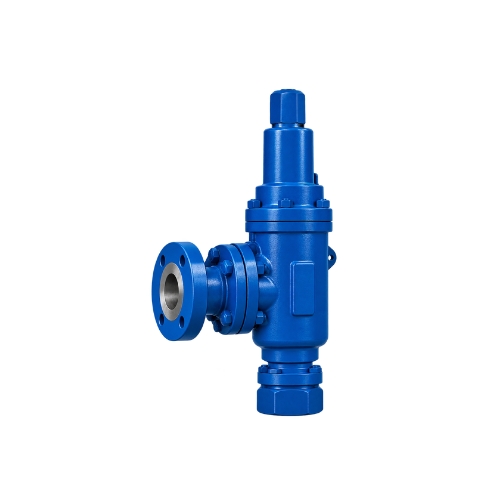
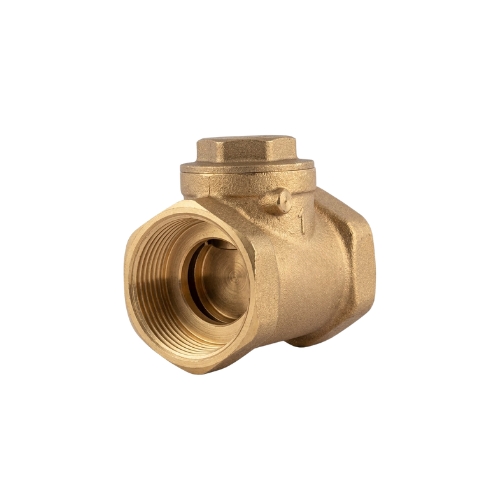
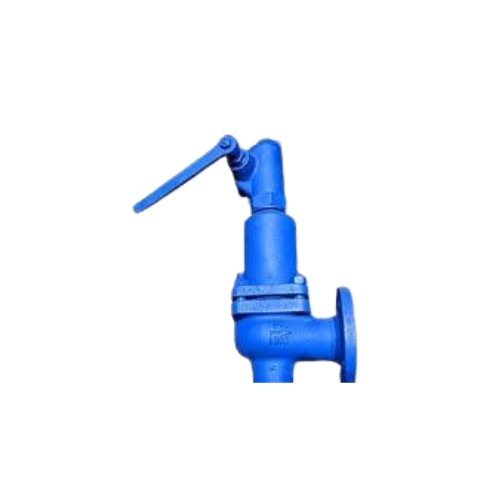
Safety Relief and Non-Return Valves
Safety relief valves can provide pressure protection when abnormal pressure conditions occur, according to the system design. Non-return valves help restrict reverse flow where backflow prevention is required. Selection should be based on pressure rating, gas compatibility, connection requirements and applicable engineering specifications.
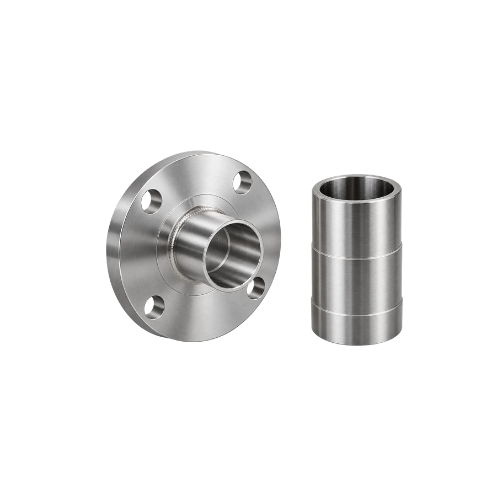
Flanges, Fittings and Accessories
Flanges, fittings and accessories provide the required mechanical connections between pipeline sections and equipment. Correct sizing, pressure rating, material compatibility and installation requirements are important for maintaining system integrity.
Where Are Gas Metering and Regulation Systems Used?
Gas measurement and control arrangements are used in applications where gas needs to be measured, regulated, monitored, isolated or safely distributed.
Natural Gas Distribution Systems
Gas distribution networks require appropriate pressure control and measurement as gas moves between different pressure levels and delivery points. Metering and regulation equipment can be integrated with filtration, isolation and safety arrangements according to the network design.
Industrial and Manufacturing Plants
Manufacturing facilities may require controlled gas supply for furnaces, boilers, heating equipment, process machinery and other industrial applications. Stable pressure and reliable flow measurement can help maintain suitable operating conditions for connected equipment.
Process Industries
Process industries often require gas at defined pressure and flow conditions. A properly designed control arrangement can combine measurement, regulation, filtration and isolation according to the process requirement.
Commercial and Fuel-Gas Applications
Commercial facilities and other gas-consuming installations may also require pressure regulation, gas measurement and safety controls to maintain a suitable gas supply for connected equipment.
What Gas System Problems Can These Solutions Address?
Poorly controlled gas pressure, inadequate filtration or limited system monitoring can create operational challenges. A properly selected arrangement can help address issues such as pressure fluctuations, uncontrolled gas flow, contamination, overpressure, reverse flow and maintenance isolation.
Pressure regulation helps maintain the required downstream pressure, while metering provides better visibility of gas consumption or flow. Filters and strainers help protect downstream components from contaminants. Isolation valves can allow selected equipment or pipeline sections to be separated during maintenance, while suitable safety devices provide additional protection against abnormal operating conditions.
The objective is not simply to install individual components, but to create a coordinated system suitable for the actual gas application.
Key Benefits of a Properly Designed Gas Control System
A well-planned arrangement can provide several practical advantages for industrial and commercial users.
Accurate gas measurement helps users monitor flow and consumption according to the application.
Stable gas pressure helps connected equipment operate within the required pressure range.
Better component protection can be achieved by using appropriate filtration and pressure-control equipment.
Improved operational monitoring is possible through suitable pressure and flow measurement instruments.
Safer pipeline operation can be supported through appropriate isolation, pressure protection and flow-control devices.
Simpler maintenance and troubleshooting can also be achieved when the system includes suitable gauges, isolation points and accessible components.
How to Select the Right Equipment for Your Gas Application?
Equipment should be selected according to the complete operating requirement rather than only the pipeline size. Important factors include:
- Type and composition of gas
- Required flow range
- Inlet and outlet pressure
- Operating and design temperature
- Pipeline size and connection type
- Required measurement accuracy
- Pressure drop requirements
- Material compatibility
- Filtration requirements
- Isolation and safety requirements
- Applicable codes, standards and project specifications
For example, a system handling a high-pressure gas supply may require a different regulation and protection arrangement from a low-pressure industrial application. Similarly, meter selection depends on the expected flow range and operating conditions.
Providing these technical details to the equipment or system provider can make it easier to identify a suitable configuration.
Why Choose a Complete Gas Metering and Control Solution?
Selecting each component separately can create compatibility, pressure-control or installation challenges. A complete approach considers the metering, regulation, filtration, monitoring, valves, safety devices and pipeline connections together.
For industrial projects, the solution should be based on the actual application, gas characteristics, operating pressure, flow requirement and installation conditions. A service provider with experience in gas pipeline and control systems can help users understand the equipment requirements before procurement or installation.
This approach is particularly useful for new installations, system expansion, replacement of existing equipment, pressure-control upgrades and industrial gas pipeline projects.