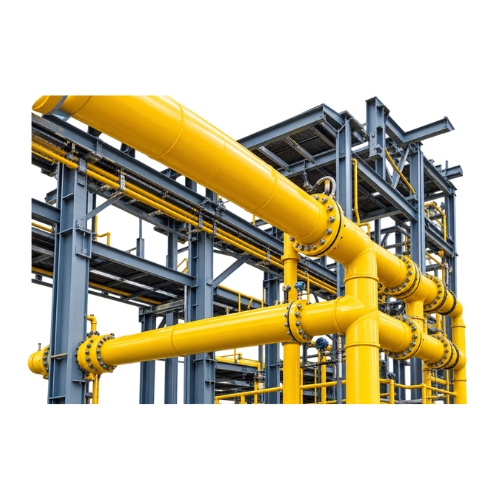
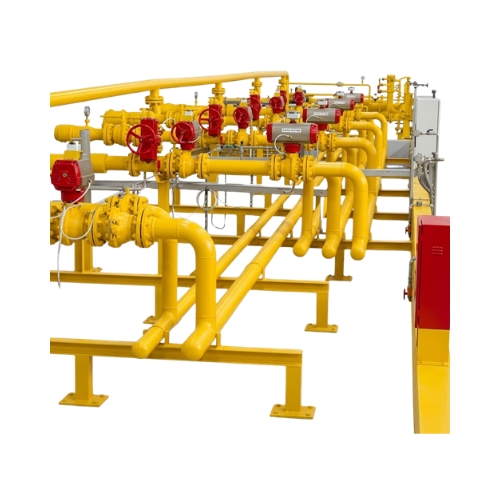
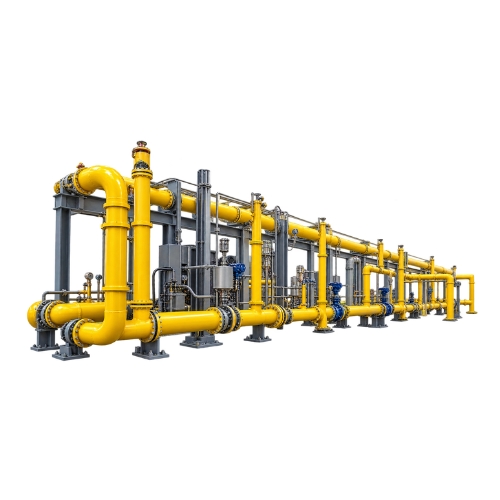
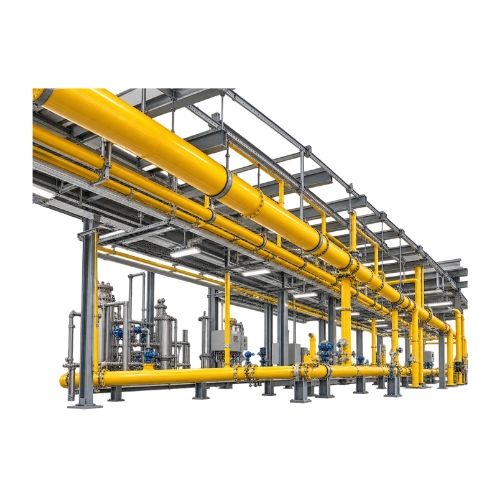
Gas pipeline systems are an essential part of many industrial and commercial facilities where gas must be transferred safely and efficiently from the supply source to burners, boilers, furnaces, kitchens, process equipment, or other gas-consuming points. A properly planned gas pipeline system does more than connect one point to another; it manages gas flow, pressure, isolation, safety, and distribution according to the requirements of the facility. For industries in Mumbai and across Maharashtra, professional design, installation, testing, commissioning, and maintenance are important for achieving reliable gas distribution and safe day-to-day operation.
What Is a Gas Pipeline System?
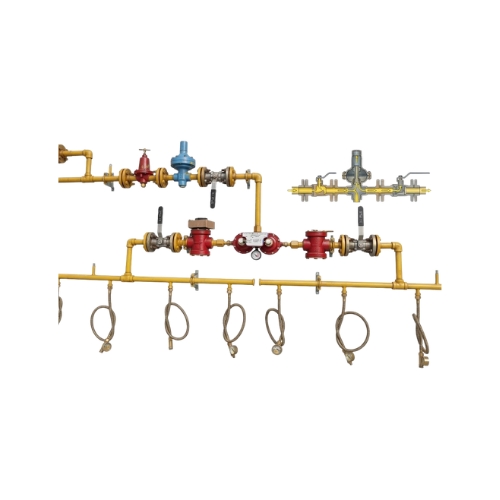
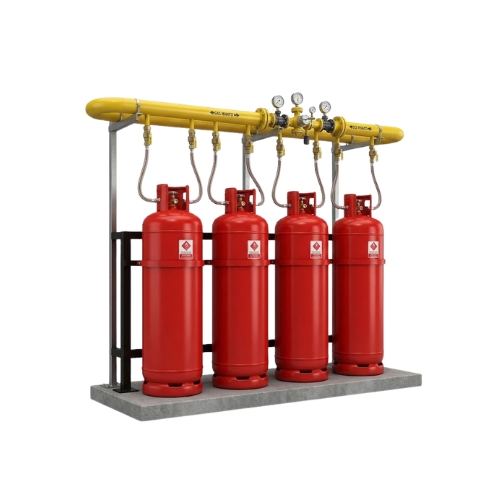
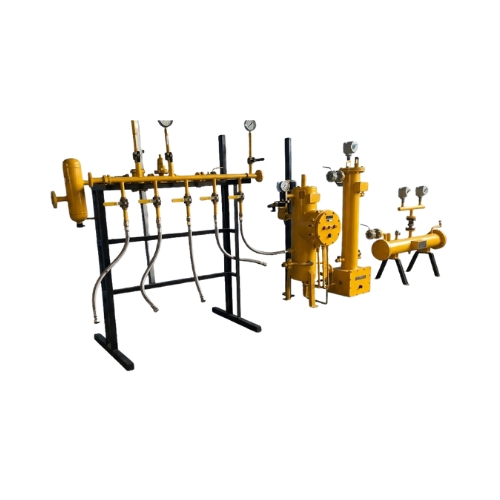
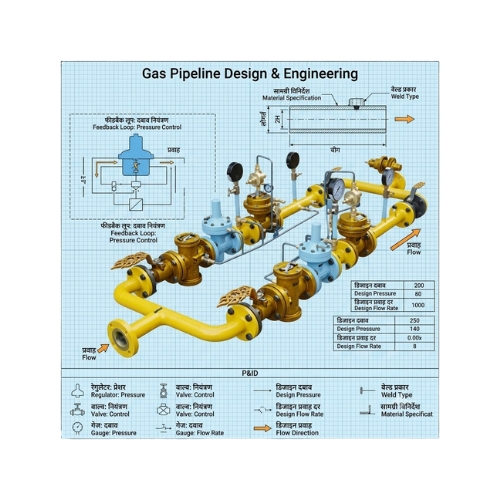
A gas pipeline system is a network of pipes, valves, regulators, filters, fittings, pressure-control equipment, and safety devices used to transport gas within a facility. Depending on the application, the system may handle natural gas, LPG, or other approved gaseous fuels. The pipeline layout is generally planned around the required gas consumption, inlet pressure, operating pressure, equipment capacity, distance, routing, and site conditions.
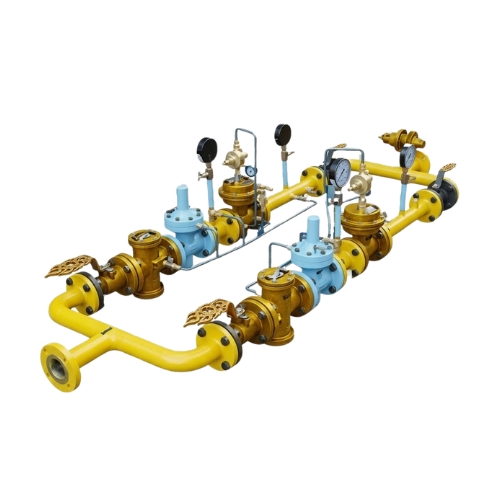
For industrial and commercial applications, the system may include a gas train, pressure regulating arrangement, isolation valves, filters, safety shut-off valves, relief protection, pressure gauges, gas detectors, and emergency shut-down provisions. PNGRB's technical and safety framework places importance on design criteria, material and equipment selection, piping components, welding, installation, testing, operation, maintenance, and emergency safety systems.
Gas Pipeline Installation for Industrial & Commercial Applications
Every facility has different gas requirements, so installation should begin with understanding the site and the equipment that will consume the gas. Gas demand, pressure requirements, pipeline route, equipment locations, available space, ventilation, access for maintenance, and safety considerations all influence the final system design.
During installation, suitable piping and components are selected according to the application and applicable standards. The pipeline is then routed and supported appropriately, with valves and control equipment positioned where they can be safely accessed. For LPG and natural gas installations, safety provisions such as gas detection, emergency shut-down arrangements, pressure control, and appropriate isolation are particularly important. PNGRB guidance for industrial and commercial gas supplies also addresses gas detectors, emergency shut-down devices, and monitoring requirements.
How Gas Pipeline Systems Work
The basic operation is straightforward: gas enters the facility from the designated supply source and passes through the required isolation and pressure-control arrangement before being distributed through the pipeline network to individual consumption points. Regulators help maintain the required downstream pressure, while filters can remove unwanted particles from the gas stream. Safety shut-off and relief arrangements provide additional protection when abnormal pressure or other unsafe conditions occur.
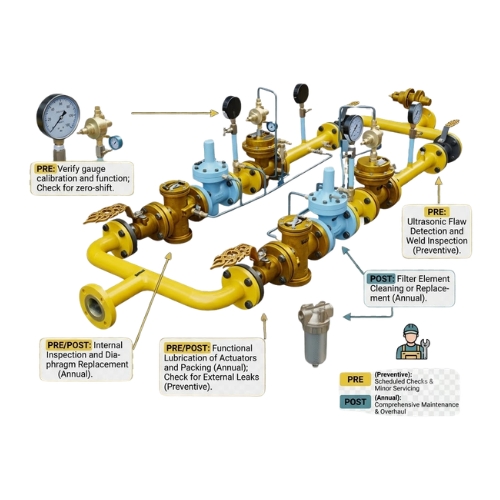
A well-designed system also makes it possible to isolate specific sections when maintenance or inspection is required without unnecessarily interrupting the entire facility. This becomes especially useful in manufacturing plants, commercial kitchens, hotels, hospitals, process industries, and other facilities where dependable fuel supply is important.
Testing, Commissioning & Safety Checks
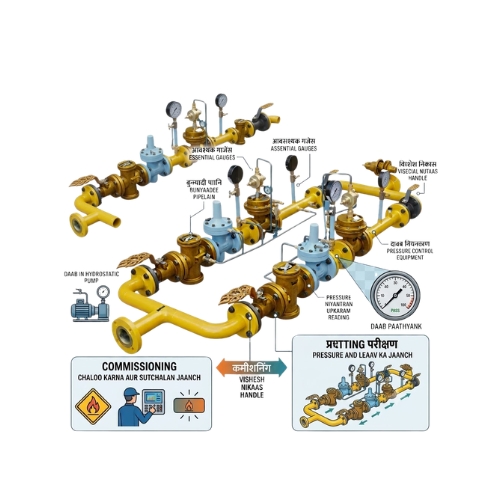
Installation is only one part of a reliable gas pipeline project. Before introducing gas into the system, testing and pre-commissioning checks are required to confirm pipeline integrity, equipment operation, connections, valves, instruments, controls, and safety systems. PNGRB guidance includes tightness testing, function testing of field equipment and controls, inspection of the pipeline route, and verification of associated installations before commissioning.
Commissioning should therefore be treated as a controlled process rather than simply opening the gas supply. The system needs to be checked against the design and as-built arrangement, safety equipment should be verified, and operating conditions should be established before the system is placed into normal service.
Where Gas Pipeline Services Are Used
Gas pipeline systems are used across a wide range of industrial and commercial environments. Manufacturing plants may require gas distribution for furnaces, heating equipment, boilers, ovens, dryers, or process machinery. Commercial facilities such as hotels, restaurants, institutional kitchens, and food-processing units may require LPG or natural gas distribution for cooking and heating applications.
Other applications can include textile processing, chemical manufacturing, pharmaceutical facilities, engineering industries, warehouses, and utility areas where controlled gas supply is required. The design of each installation should be based on the actual application instead of using the same pipeline arrangement for every facility.
Why Professional Gas Pipeline Services Matter
A professionally planned gas pipeline installation can help improve pressure control, operational reliability, equipment performance, accessibility, and overall system safety. It can also make future maintenance and expansion easier when the pipeline is designed with suitable isolation points and equipment access.
Gas pipeline work should be carried out with attention to applicable technical and safety requirements. PNGRB maintains separate regulatory frameworks covering natural gas pipelines, petroleum product pipelines, LPG facilities, and technical and safety standards, with amendments issued over time.
Gas Pipeline Systems & Services in Mumbai
For industrial and commercial facilities in Mumbai, gas pipeline services can include site assessment, pipeline design, material and component selection, installation, pressure regulation, gas train installation, testing, commissioning, modification, and maintenance. A service provider should understand the facility's gas demand and operating conditions before recommending a pipeline arrangement.
Whether the requirement is a new industrial gas pipeline, LPG pipeline installation, pressure regulating system, gas train, or modification of an existing network, the focus should remain on safe gas distribution, controlled pressure, reliable operation, and maintainability. A properly engineered system gives the facility a dependable gas supply while supporting safer and more efficient day-to-day operations.